



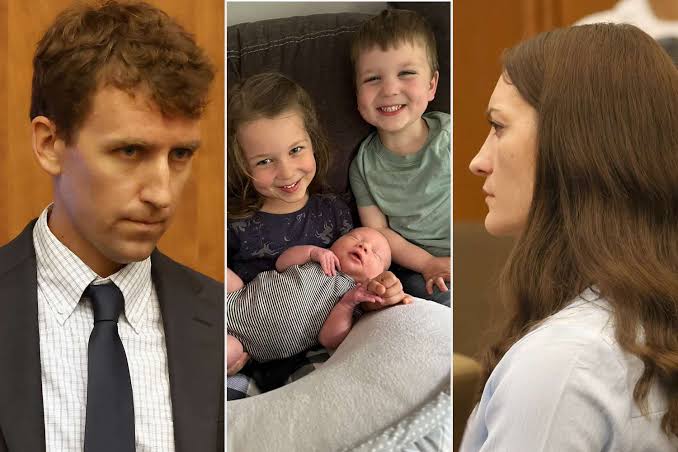
A judge has declared a mistrial in the Lindsay Clancy murder trial after jurors failed for a third time to reach a verdict on whether Clancy was criminally responsible for the deaths of her children.
Addressing the jury, Judge William Sullivan praised the panel for its commitment to the case, telling jurors they should be proud of themselves and thanking them for their “incredible commitment and dedication.”
Outside the courthouse, Clancy’s defense attorney, Reddington, said the case had exposed what he described as serious shortcomings in the way the United States treats women experiencing severe postpartum mental health issues.
Reddington pointed to other countries that he said are “light years ahead” of the U.S. in providing treatment and support for women experiencing postpartum mental health crises while keeping their children safe.
He said he hoped the case would prompt broader changes in the way society approaches postpartum health care.
“This case highlighted the woeful deficiency that women have when they are pregnant, when they have babies, and God forbid when they are on medication because of postpartum psychosis,” Reddington said.
Asked whether he would do anything differently if the case goes to a second trial, Reddington replied: “Why would I? I won the case.”
It remains unclear how the jury was divided, as the exact vote count has not been disclosed.
Reddington also said he would want 11 of the 12 jurors to return for a potential retrial. He acknowledged, however, that finding jurors who have not heard about the highly publicized case could prove difficult.
“I don’t know if we will ever be able to get jurors that aren’t aware of this case anywhere. New York, Washington, Georgia, Japan, India, I don’t know anywhere.”
Prosecution Says No Decision on Retrial Will Be Made Today
Speaking outside the courthouse, Plymouth County District Attorney Tim Cruz said prosecutors will not make an immediate decision about whether to seek a retrial.
Cruz said he would meet with his team before addressing the issue in a formal court proceeding.
“I’ll be meeting with our team and we will address this case further at the appropriate time in the context of an official court proceeding. So you will not get an answer on that question today.”