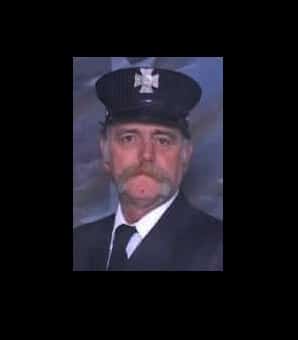



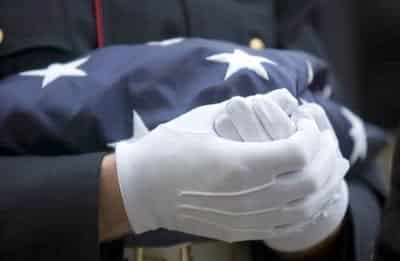
Today, we honor and remember Fall River Firefighters Engine 5 Firefighter Dennis E. Mathieu, who died in the line of duty due to occupational cancer on October 7, 2009.
An Army veteran of the Vietnam War, Mathieu was 59 years old and had proudly served the Fall River Fire Department for over 27 years. He remains one of 24 members who have paid the ultimate sacrifice serving the Fall River community.
The Hidden Threat: Understanding Occupational Cancer in the Fire Service
While line-of-duty deaths were historically associated with immediate emergency hazards like structural collapses, smoke inhalation, and acute trauma, occupational cancer has emerged as the leading cause of death among modern firefighters.
1. Toxic Exposure on the Fireground
Modern structures and furnishings are predominantly built with synthetic materials, plastics, and flame retardants. When burned, these materials release a hazardous chemical mix, including:
- Carcinogens: Benzene, formaldehyde, and polycyclic aromatic hydrocarbons (PAHs).
- Heavy Metals & Asbestos: Released during structural degradation.
- Per- and Polyfluoroalkyl Substances (PFAS): Persistent synthetic chemicals previously common in firefighting foams and protective gear lining.
2. Routes of Exposure
Firefighters absorb carcinogens through two primary pathways:
- Inhalation: Inhaling toxic particles during the “overhaul” phase of a fire (searching for hidden embers after the main fire is extinguished) when respiratory protection might be prematurely removed.
- Dermal Absorption: Toxins settle on gear, skin, and equipment. Elevated body temperatures during active firefighting expand skin pores, significantly accelerating the absorption of toxic compounds.
3. Elevated Risks
Studies conducted by the National Institute for Occupational Safety and Health (NIOSH) show that firefighters face significantly higher rate of cancer diagnoses and cancer-related deaths compared to the general population:
- Higher Incidence Rates: Increased risk of digestive, oral, respiratory, and urinary cancers.
- Specific Vulnerabilities: Multiple myeloma, non-Hodgkin’s lymphoma, prostate cancer, and testicular cancer show elevated rates among long-term fire service personnel.
Prevention, Clean Cab Initiatives, and Policy
In response to the growing awareness of occupational cancer, fire departments nationwide have implemented protocols to reduce carcinogen exposure:
- Decontamination Protocols: On-scene gross decontamination of turnout gear using water and detergents immediately after exiting a fire zone.
- “Clean Cab” Policies: Keeping contaminated gear out of the cab interior to prevent toxic off-gassing inside apparatus vehicles.
- Advanced PPE Maintenance: Regular, specialized cleaning of gear and utilizing dual sets of turnout gear so firefighters do not wear contaminated equipment on subsequent calls.
- Presumptive Disability Legislation: Laws designed to grant firefighters automatic workers’ compensation and death benefits if diagnosed with specific cancers, recognizing the clear link between their service and the disease.
Dennis E. Mathieu’s service and sacrifice serve as a vital reminder of both the visible and invisible dangers brave firefighters face every day.