



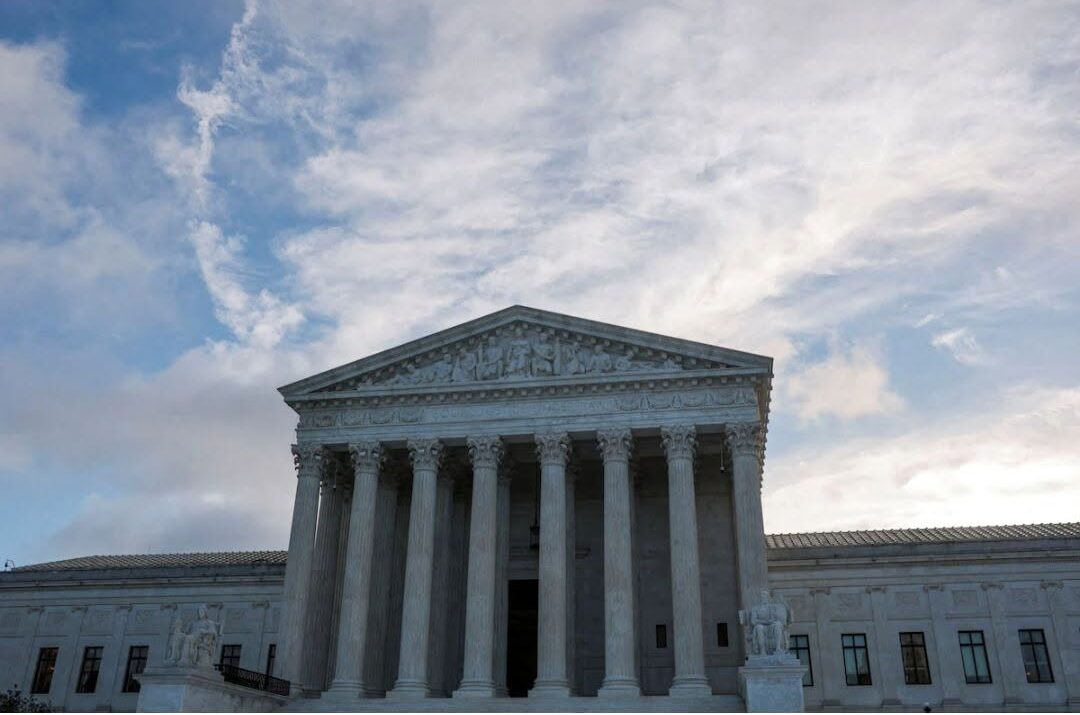
The U.S. Supreme Court has agreed to decide whether the Trump administration can legally shield records regarding the Department of Government Efficiency (DOGE) from public view.
The high court took up an appeal from the administration challenging a lower court order. That order required DOGE—the short-lived, high-profile government downsizing initiative spearheaded by billionaire Elon Musk—to comply with information requests from the watchdog group Citizens for Responsibility and Ethics in Washington (CREW).
A Battle Over Transparency and Executive Secrecy
The legal dispute centers on the Freedom of Information Act (FOIA).CREW filed suit to obtain records detailing DOGE’s sweeping actions, which included mass federal layoffs, budget cuts, and agency overhauls following President Donald Trump’s return to office.
- The Watchdog’s Argument:CREW contends that the public deserves to know the inner workings of how the administration unilaterally targeted federal programs, arguing that DOGE functioned with the authority of an independent agency subject to transparency laws.
- The Administration’s Defense:The Trump administration maintains that DOGE was structured as a presidential advisory body rather than a traditional federal agency, making its records exempt from FOIA to protect confidential executive advice.
Background and What Comes Next
Established by executive order on Trump’s first day back in office, DOGE announced the conclusion of its formal 18-month agenda on July 4, 2025. While the initiative claimed to have slashed tens of billions of dollars in government expenditures, its figures faced sharp skepticism and scrutiny from federal auditors and outside experts over unverified savings and data security.
Lower courts previously delivered mixed rulings, prompting emergency interventions and an eventual refusal by the D.C.Circuit to halt disclosure requirements.With the Supreme Court now stepping in, oral arguments and a final ruling are expected by the end of June, setting up a major legal test on executive power and government transparency.
- An analysis by another government entity estimated that DOGE’s actions actually cost the government $21.7 billion.
- An independent analysis projected that DOGE’s cuts would cost taxpayers $135 billion.
- The Internal Revenue Service (IRS) predicted more than $500 billion in revenue loss driven by DOGE-related budget and operational cuts.