



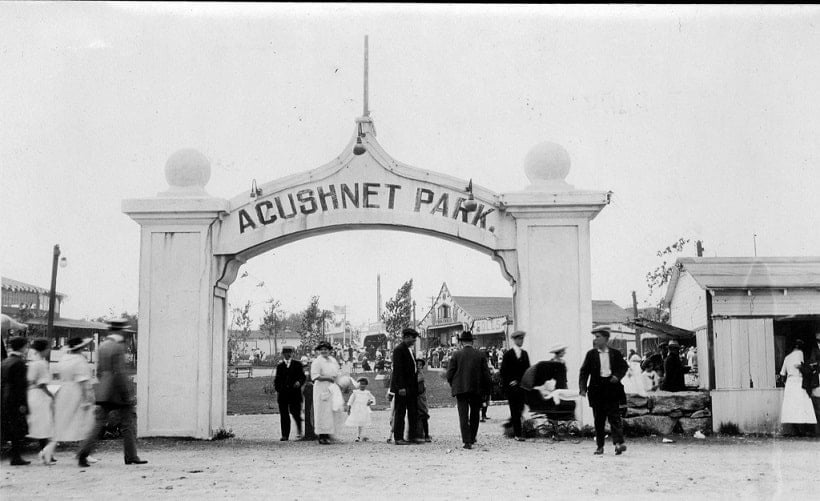
Long before houses filled the South End of New Bedford and before the streets and neighborhoods surrounding Fort Taber and Fort Rodman took shape, the Clark’s Point shoreline was home to one of the city’s great seaside attractions: Acushnet Park.
For generations of New Bedford residents, Acushnet Park meant summer days at the beach, amusement rides, bathhouses, music, dancing, clambakes and evenings spent with family and friends along the waterfront. Covering more than 20 acres—roughly four city blocks—the park stretched from the ends of East and West Rodney French boulevards toward the area across from Fort Rodman.
The park opened in the summer of 1916, established by Eastern Consolidated Amusements of Springfield, Massachusetts. What began as a large seaside amusement enterprise would eventually become closely associated with the Dan Bauer family, whose name became inseparable from the park and its neighboring entertainment venue, Dan’s Pavilion.
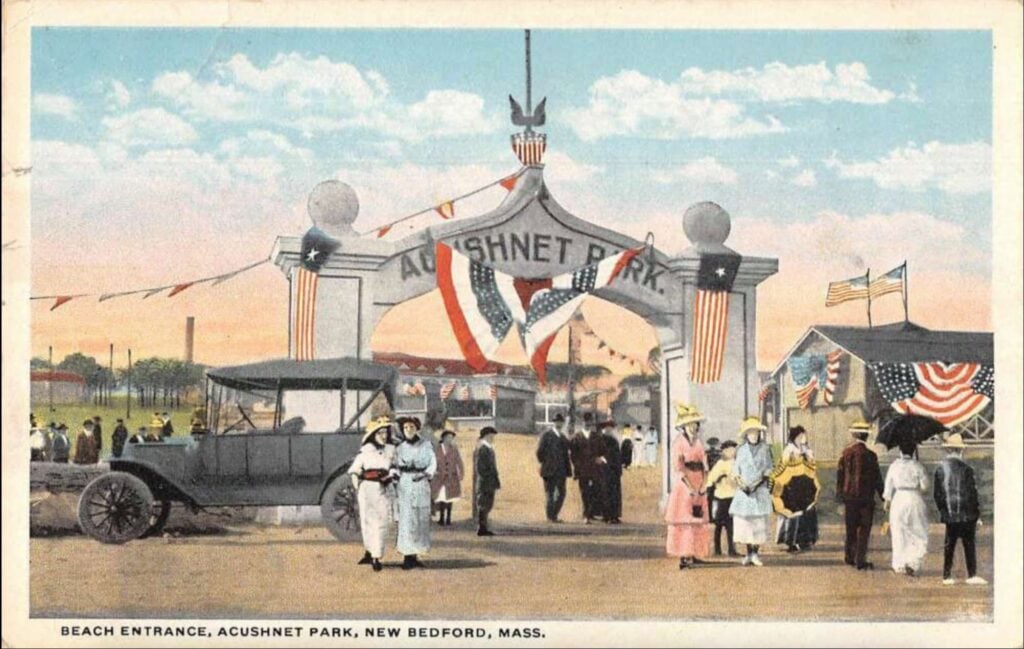
A Seaside Amusement Park at Clark’s Point
Acushnet Park occupied a spectacular location at the southern edge of New Bedford, where the city met Buzzards Bay. Its attractions combined the traditional amusements of the era with the natural appeal of the waterfront.
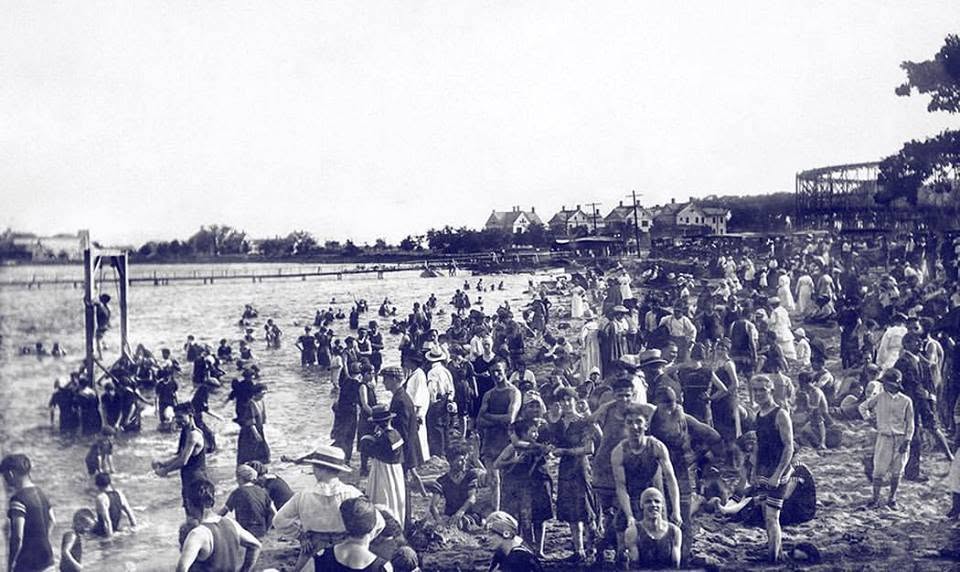
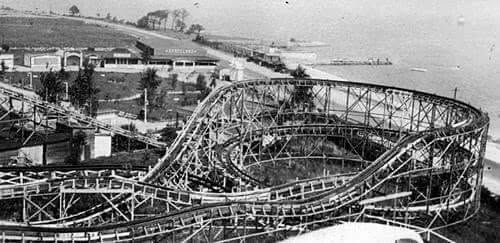
Visitors could enjoy amusement rides, the beach and bathhouses, while the sounds of music and crowds carried across Clark’s Point. It was a destination not only for New Bedford residents but for people throughout the surrounding communities who came to spend a summer day by the water.
The park was part of an era when seaside amusement parks were important centers of community life. Before television, air conditioning and the modern entertainment industry, a trip to a place like Acushnet Park could be the highlight of a family’s summer.
The park’s location also placed it directly opposite the military facilities at Fort Rodman and Fort Taber. Today, it is difficult to imagine the landscape without the homes and streets that eventually surrounded the forts. In the early decades of the 20th century, however, much of this area remained open land and waterfront, providing the setting for Acushnet Park.
Dan’s Pavilion
Across East Rodney French Boulevard, on the waterfront near what is now the entrance to Fort Taber, stood another important part of the Clark’s Point entertainment scene: Dan’s Pavilion.
Located directly on the beach, the pavilion was a large enclosed restaurant and entertainment venue. It featured a bar and restaurant, and it became a popular place for dancing, parties, banquets and other social gatherings.
Music was a major attraction. Orchestras provided dancing, while a succession of entertainers appeared at the pavilion. The entertainment bills included singers, magicians and performers who were well known to audiences of the period. Among the names associated with the venue was the celebrated comedian Red Skelton.
Dan’s Pavilion also became famous for its connection to Acushnet Park clambakes. These events brought people together for food and entertainment and became part of the social tradition surrounding the park.
For many visitors, a day at Acushnet Park and an evening at Dan’s Pavilion could be combined into one memorable outing: amusement rides and the beach during the day, followed by dinner, music and dancing beside the water.
The Hurricane of 1938
The carefree atmosphere surrounding Clark’s Point was dramatically altered by the Great Hurricane of 1938.
The hurricane devastated coastal communities throughout New England, and New Bedford’s waterfront was not spared. Dan’s Pavilion was destroyed by the storm, marking a devastating chapter in the history of the popular seaside establishment.
But the story did not end there.
The pavilion was rebuilt, demonstrating how important the waterfront venue had become to the community. Yet its location directly on the shore left it particularly vulnerable to the powerful storms that periodically struck the South Coast.
Further hurricanes would again take their toll. The rebuilt pavilion was damaged by the 1944 hurricane, and ultimately the 1954 hurricane brought about the final destruction and demolition of Dan’s Pavilion.
The loss of Dan’s was more than the disappearance of a building. It represented the passing of an important piece of New Bedford’s seaside entertainment history.
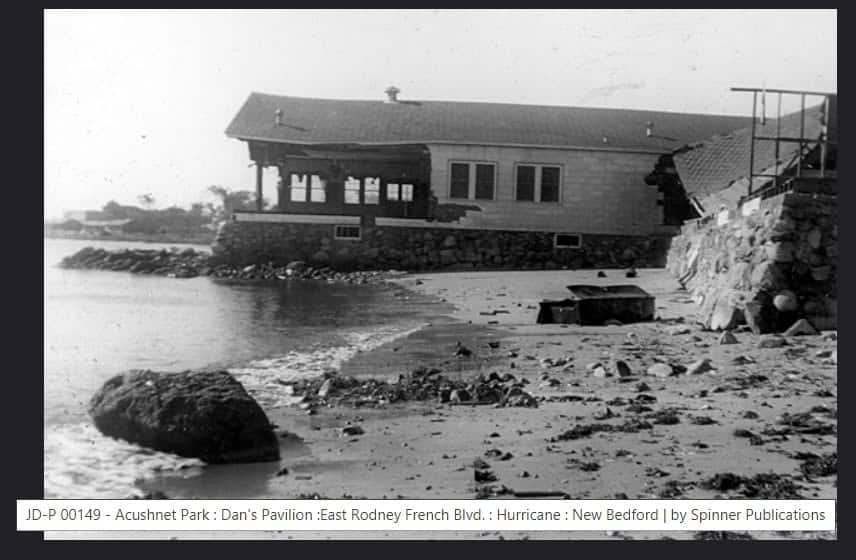
The Slow Disappearance of Acushnet Park
Acushnet Park itself survived beyond the destruction of the original Dan’s Pavilion, although its amusement area gradually diminished.
Parts of the park disappeared during the 1940s and 1950s, as the character of Clark’s Point changed. The open land that had once accommodated a sprawling amusement park increasingly gave way to residential development and other uses.
By the early 1950s, the era of Acushnet Park as a major amusement destination was coming to an end. In 1954, the remaining park property was sold for house lots.
One final remnant remained: the park’s skating rink.
That last piece of the old amusement complex survived until 1957, when it was demolished to make way for additional beach parking.
And with that, Acushnet Park was finally gone.
Remembering What Isn’t There Anymore
Today, someone standing near Fort Taber or along East Rodney French Boulevard would find little physical evidence of the enormous seaside amusement park that once occupied the area.
There are houses where park grounds once stood. Roads cross land that once held rides and crowds. The shoreline remains, but the restaurants, amusement attractions, bathhouses and entertainment venues that made Clark’s Point a destination for thousands have disappeared.
Dan’s Pavilion is gone. Acushnet Park is gone. Even the skating rink that survived after the rest of the amusement park had faded away is gone. What remains are photographs, memories and stories passed down through generations.
Those images help us picture a very different New Bedford—a city where summer entertainment could be found at the edge of Buzzards Bay, where families gathered at the beach, where orchestras played for dancers and where a day at the amusement park could become a cherished family memory.
Acushnet Park was part of a New Bedford that no longer exists, but its story remains an important part of the city’s South End history.
Photo credit: Spinner Publications and the good folks of the Things That Aren’t There Anymore: Southeastern Massachusetts Edition Facebook group, whose photographs and shared memories help preserve the history of places that have disappeared from the local landscape.
Check out our article on Lincoln Park: https://southcoastspotlight.com/turn-back-the-clock-lincoln-park/