



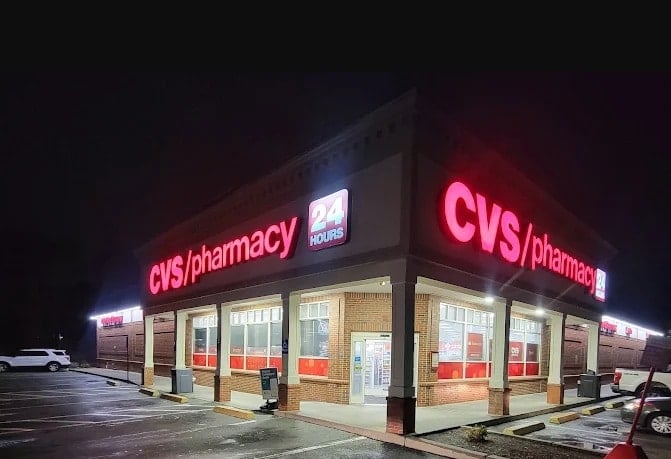
In one of the most stunning strategic about-faces in modern corporate history, CVS Health has announced plans to split into two independent, publicly traded companies. This monumental move will undo some of the largest and most aggressive vertical mergers in the healthcare and retail sectors, severing its roughly 9,000 retail storefronts from its insurance and pharmacy benefit pillars.
To understand why this is sending shockwaves through Wall Street and Main Street alike, it helps to look at what is actually changing, why it matters, and how it will ultimately impact the average consumer filling a prescription or visiting a doctor.
What Is Actually Changing?
Under the newly announced plan, CVS Health will carve itself down the middle into two separate entities, with the full separation expected to wrap up in the first half of 2028:
- CVS Health (The Insurance & PBM Powerhouse): This side of the business will retain insurance giant Aetna, pharmacy benefit manager (PBM) CVS Caremark, specialty pharmacy operations, and health services firms like Oak Street Health and Signify Health.
- CVS Pharmacy (The Retail & Care Footprint): This standalone company will house the iconic brick-and-mortar drugstores, mail-order pharmacy operations, MinuteClinics, virtual care services, and Health100 technology services.
This represents a staggering reversal of fortune. Just eight years ago, CVS bought Aetna for a staggering $78 billion in a bid to create an all-in-one healthcare juggernaut that controlled everything from the insurance policy in your pocket to the pills dispensed at your local corner counter.
Why Is This Such a Big Deal?
1. The Death of “Bigger is Better” in Healthcare
For decades, the dominant corporate philosophy in American healthcare was vertical integration—the idea that merging insurance providers, pharmacy benefit managers, and retail pharmacies under one roof would drive down costs and streamline care.
CVS’s decision to break apart signals an explicit acknowledgment that this model has strained under its own weight. Facing intense regulatory scrutiny, shifting market dynamics, and mounting pressures on retail pharmacy margins, the company is betting that hyper-focused, independent entities can navigate the future better than a single, unwieldy behemoth.
2. Rising Regulatory and Political Heat
The corporate breakup doesn’t happen in a vacuum. Pharmacy benefit managers (PBMs) and heavily integrated healthcare giants have faced unprecedented bipartisan blowback from lawmakers, antitrust regulators, and state legislatures. States like Arkansas and Tennessee have already enacted measures attempting to stop single corporations from owning both drug-coverage administration and storefront pharmacies. The split is widely seen as a preemptive and necessary step to sidestep a tidal wave of looming antitrust and regulatory penalties.
How This Might Affect the Average Consumer
While the split won’t happen overnight—with the transition stretching out toward 2028—the long-term implications for everyday patients and consumers are profound:
- Shifting Pharmacy and Insurance Choices: Because the retail arm and Aetna will operate as entirely separate companies, the structural ties binding your health plan to your local drugstore will loosen. While commercial agreements will maintain basic day-to-day continuity, consumers may see shifts in how prescriptions are tiered, incentivized, or covered depending on where they choose to shop.
- A Leaner, More Nimble CVS Pharmacy: Free from the financial drag and regulatory crosshairs of managing a massive insurance conglomerate, the standalone CVS Pharmacy unit will have the room—and the pressure—to revamp its retail experience. For consumers, this could mean a heavier lean into digital health, localized virtual care, and redefined neighborhood clinic models as they fight to stay competitive against rivals like Walgreens, Walmart, and Amazon.
- Potential Impacts on Drug Pricing and Transparency: PBMs like CVS Caremark dictate the cost of prescription drugs behind the scenes. As regulatory frameworks tighten and Caremark stands completely untethered from storefront retail, consumers might experience a clearer look at drug pricing mechanisms—though it remains to be seen whether this corporate divorce will translate to lower out-of-pocket costs at the register.
The Bottom Line
The uncoupling of CVS and Aetna marks the end of an era for hyper-consolidated American healthcare. It proves that even the most dominant corporate empires can decide that being everything to everyone is simply no longer sustainable. For the average consumer, it introduces a period of transition and uncertainty—and a hopeful promise that a less tangled healthcare ecosystem might eventually yield a simpler, more transparent experience.