


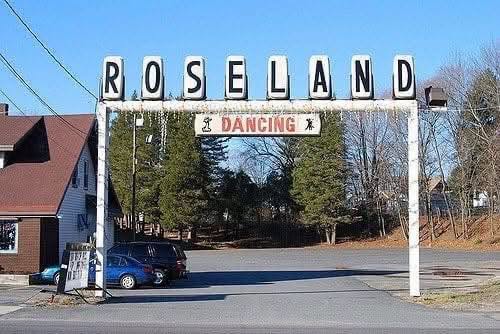
The shifting identity of Taunton’s historic Roseland Ballroom reflects the evolving tastes of Massachusetts entertainment over the last century. From Big Band jazz to the crash of bowling pins and the sizzle of modern woks, the legendary tri-level venue at 174 Broadway has continually reinvented itself to stay at the heart of the community.
1924–1947: The Grand Ballroom and The Big Band Heyday
Financed by local speculator John J. Nichols for a staggering quarter of a million dollars, the Roseland Dance Pavilion officially opened its doors on May 28, 1924. It quickly became a premier East Coast stop for music royalty, packing in over 1,000 dancers at a time to see icons like Duke Ellington, Louis Armstrong, Count Basie, and Glenn Miller.
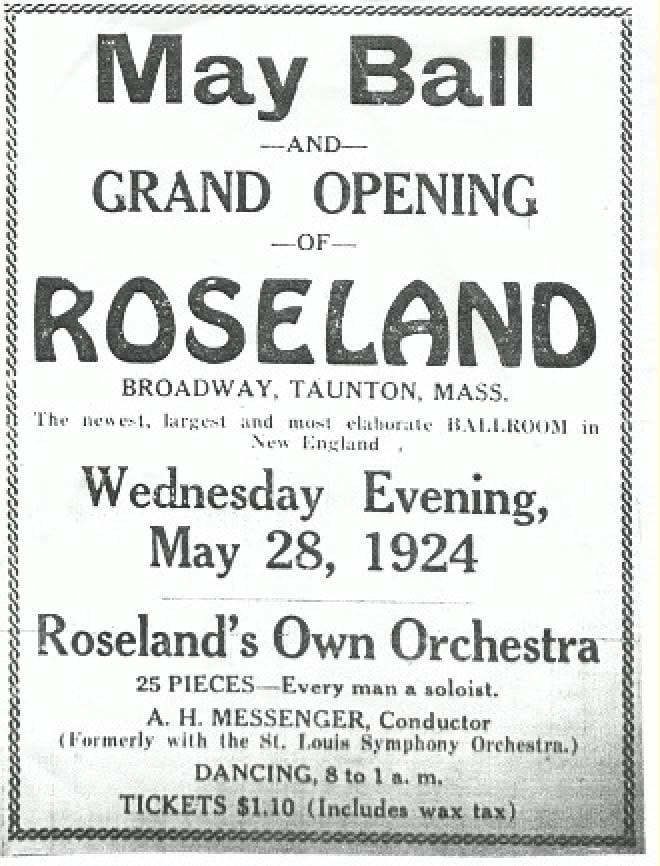
Local music historian and author Keith Crochiere notes the sheer magnitude of talent that graced the stage:
“You cannot believe the groups that have played in that place… Frank Sinatra was the singer for Tommy Dorsey’s band. He wasn’t even the featured act when he performed at Roseland in January 1941.”
For decades, the venue defined the social life of the region. Local resident Barbara Murray Hopwood, who began frequenting the pavilion as a teenager in 1946, fondly recalls the vibrant atmosphere of those post-war nights.
1947–1951: Tragedy and the Duckpin Bowling Transition
Disaster struck on Christmas Eve in 1947 when a severe winter blizzard caused a short circuit in the building’s neon sign, sparking a massive fire that entirely destroyed the original wooden structure.
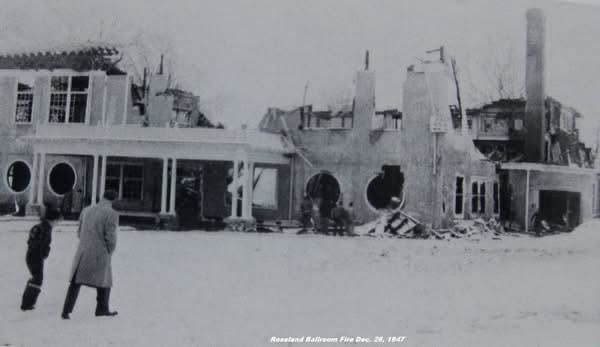
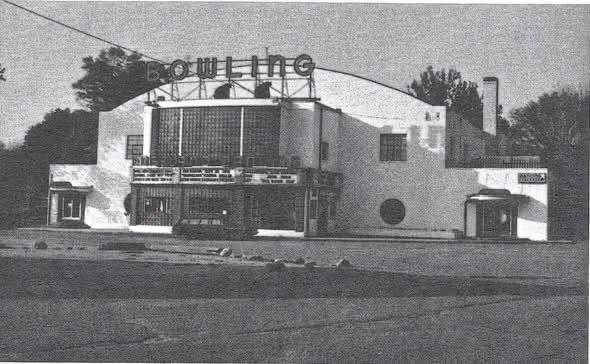
Undeterred, owner Rose Simone and her husband Mike rebuilt the venue out of brick and concrete, officially reopening a modernized, multi-purpose complex in 1951. Recognizing that the Big Band era was winding down and television was keeping people at home, they pivoted. The lower levels were transformed into a massive 22-lane duckpin bowling alley.
The shift embedded Roseland into the lives of a whole new generation of local kids. As one longtime Taunton resident remembers of their childhood in the 1960s and 1970s:
“It was an awesome place… I bowled in the kids’ leagues since I was 5 years old up to being a teenager. We always had our sports banquets in the ballroom upstairs. I loved it up there.”
2006–Present: The Nightclub Era and Hong Kong City Today
As bowling leagues tapered off in the late 20th century, the building briefly operated as a rowdy local nightclub called The Matrix during the 1990s. Its true modern rescue came in 2006, when current owner Philip Fei Pan purchased the massive 39,000-square-foot property for $948,000.
Pan invested over a million dollars to convert the street-facing ground floor into the Hong Kong City Restaurant while carefully restoring the historic 20,000-square-foot ballroom hidden in the back. Today, patrons eat traditional Chinese dishes under the same roof where jazz legends once played, while the upper ballroom still springs to life for weddings, senior day services, and afternoon ballroom dancing.
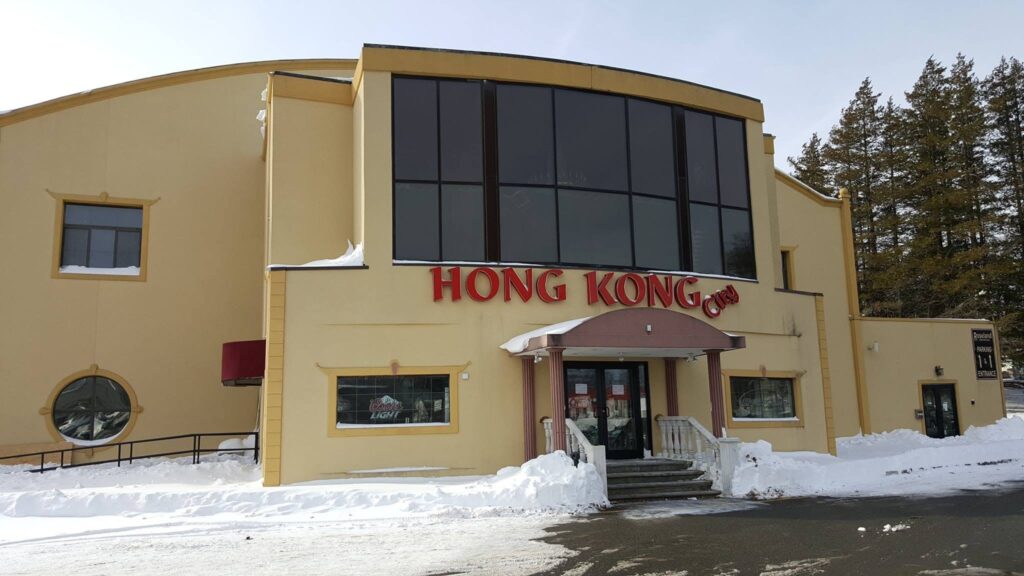
Photo Credit to the Old Colony History Museum and Hong Kong City.