


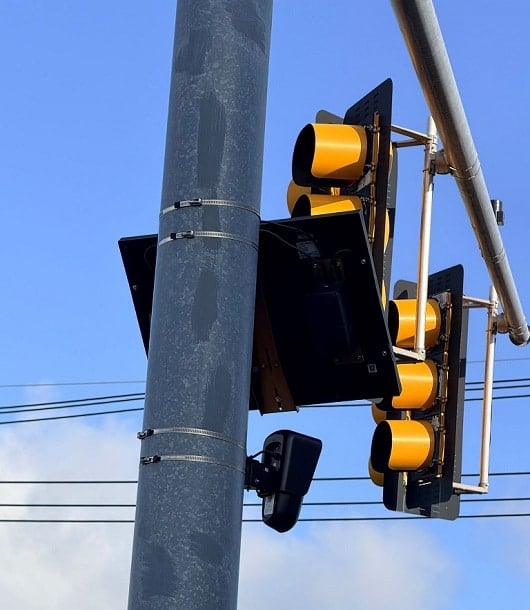
A Suffolk Superior Court judge has ordered the Massachusetts State Police to disclose records detailing its use of automatic license plate reader (ALPR) technology, including camera locations and database audit records.
The ruling, issued Wednesday, found that State Police failed to provide sufficient justification for withholding information about where the cameras are deployed and records showing officers’ searches of the database, as long as license plate numbers are redacted.
The American Civil Liberties Union of Massachusetts (ACLU) has sought the records for more than five years. The organization requested information about the state police’s use of ALPR cameras—including systems such as Flock—which capture and store images of vehicle license plates.
State Police argued that the records were exempt from disclosure under public records laws protecting critical infrastructure and ongoing criminal investigations. The court rejected those arguments, finding that the exemptions did not apply to the requested records, and granted the ACLU’s motion for summary judgment.
“The public has a right to know basic details about where and how police are tracking motorists around the state,” said Kade Crockford, director of technology and justice programs at the ACLU of Massachusetts. “The first step towards accountability and oversight is transparency, so this ruling marks a critical moment in the fight for democratic control of police surveillance.”
The decision comes as scrutiny of Flock and other automated license plate reader systems grows nationwide, with a number of cities and jurisdictions canceling or reconsidering contracts for the technology.