



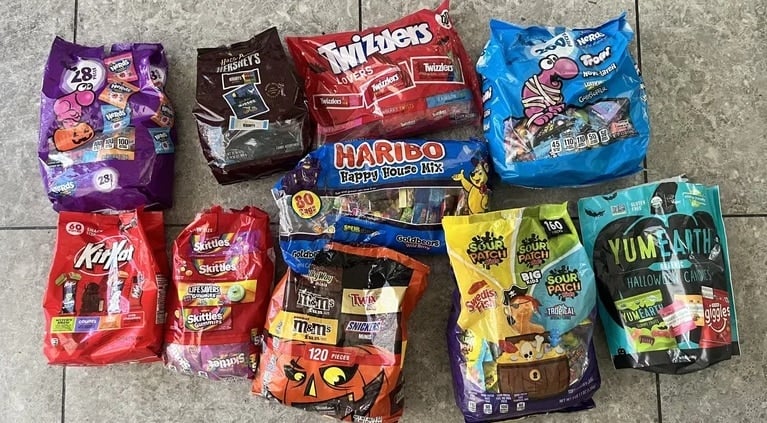
For generations, the ritual of stocking up on bulk-sized bags of sweets ahead of Halloween or splurging on seasonal treats has been an affordable cornerstone of American life. But as consumers head to store aisles this season, the sticker shock is unmistakable. Sweeping economic pressures, persistent inflation, and skyrocketing raw material costs have created a perfect storm for the confectionery market, resulting in a notably sluggish start to seasonal candy sales.
The Anatomy of the Price Surge
The pain at the checkout counter isn’t just a seasonal anomaly; it is the culmination of years of escalating input costs. According to government data, candy and gum prices have climbed roughly 44% over a multi-year stretch, drastically outpacing general grocery inflation, which rose by about 22.5% over the same timeframe.
Driving this trend are unprecedented structural challenges in the global supply chain:
- The Cocoa Crisis: Cocoa prices have soared to historic highs due to severe supply shortages and lower production yields out of key West African growing regions, driven by adverse weather and crop disease. Because cocoa beans make up a massive share of basic confectionery input costs, chocolate manufacturers have had little choice but to pass these expenses down the line.
- Sugar and Sweetener Pressures: Extreme weather events and localized droughts—particularly affecting major sugar-importing pipelines from regions like Mexico—have constricted domestic and global sugar supplies, further inflating manufacturing overhead.
Compounded by broader increases in labor, transportation, and general living expenses, candy prices jumped another 8.1% year-over-year, leaving household budgets strained.
Shifting Consumer Habits: Smaller Bags, Bigger Hesitation
The direct consequence of these soaring prices is a distinct shift in consumer buying patterns. Market analysts note that traditional heavy-hitting categories—specifically large and extra-large variety bags that used to fly off shelves—are experiencing the sharpest volume declines.
Instead, shoppers are pivoting toward frugality:
- Downsizing Purchases: Small-to-midsize packages are currently the only segment showing stable sales growth as buyers scale back quantities.
- The “Wait-and-See” Approach: Retail data points to a slower, more intentional start to the shopping season. Rather than panic-buying early, many consumers are delaying their purchases until the last possible minute or hunting aggressively for discounts, digital coupons, and dollar-store promotions.
- Prioritizing Affordability Over Brand Loyalty: Budget-conscious shoppers are increasingly cross-shopping discount grocers and generic alternatives to keep holiday traditions alive without breaking the bank.
Looking Ahead
While the National Confectioners Association and major brands maintain that overall consumer enthusiasm for celebratory traditions remains high, the reality on the ground reflects a more cautious consumer base.
As living costs remain elevated and core raw material supplies stabilize at higher plateaus, the candy aisle serves as a microcosm of modern consumer fatigue. For now, shoppers are proving that while they are still willing to participate in seasonal traditions, they are doing so with a much sharper eye on the bottom line.