


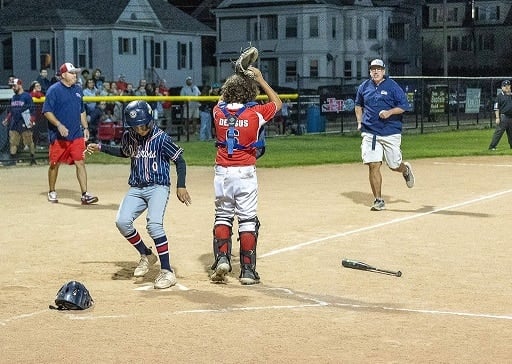
A Massachusetts working group focused on the health, safety, accessibility, and financial challenges facing youth sports is recommending a major overhaul of how youth athletics are overseen across the state.
The Special Working Group on Youth Sports, chaired by State Athletic Commission Chairman Josh Zakim and established in 2024, has submitted a report to the Legislature calling for greater state oversight. Its central recommendation is the creation of an independent state agency dedicated exclusively to youth sports, modeled in part on the Massachusetts Gaming Commission.
The proposed agency would serve as the statewide authority for youth sports, collecting data, establishing safety standards, coordinating policy, administering regulations, and providing guidance to leagues, coaches, officials, parents, and athletes. The framework could eventually give the state a role in regulating issues such as season length and maximum participation hours.
The working group issued 11 recommendations, with draft legislation accompanying nine of them. A major component is a statewide system for licensing, training, and holding coaches and officials accountable. Under the proposal, coaches and officials would undergo criminal and mandatory sex-offender background checks. Licenses could be suspended or revoked if a coach or official were determined to pose an immediate and serious threat to public health, safety, or welfare.
The group also recommends a statewide model code of conduct covering coaches, officials, athletes, parents, and spectators. It proposes a voluntary statewide registry that participating organizations could use to share disciplinary information about parents or spectators whose behavior threatens safety or the integrity of sporting events.
Another recommendation would increase penalties for assault and battery against coaches and officials to at least 90 days of incarceration or a minimum $500 fine.
The working group argues that centralized oversight would eliminate the current patchwork of rules and make it harder for a coach or official disciplined by one organization to simply move to another. It also says centralized background checks could reduce duplicative work for individual youth sports organizations.
At the heart of the report is a broader concern about the changing nature of youth sports. The group says sports provide important physical, social, and mental-health benefits, but increasing commercialization has also brought higher costs, greater pressure on young athletes, injuries, burnout, and barriers for families who cannot afford to participate.
The stated goal is to shift the emphasis back toward letting children play, have fun, and participate safely, while creating a more consistent statewide system of accountability.
Source: State House News Service.
How can Massachusetts make youth sports safer, more affordable, and more accessible without creating a regulatory system that makes community sports more expensive or difficult to operate?