


In a powerful demonstration of cultural continuity, stewardship, and historic alliance, the Nipmuc and Mashpee Wampanoag Tribes have come together for a remarkable woodworking project: the creation of a traditional mishoon (dugout canoe).
Hosted by the Community Boating Center in New Bedford, Massachusetts, the project brings together local Indigenous artists and educators—including Hartman Deetz and Annawon Weeden—to bridge ancestral boatbuilding techniques with the contemporary waterfront community.
A 107-Year-Old Legacy Takes Shape
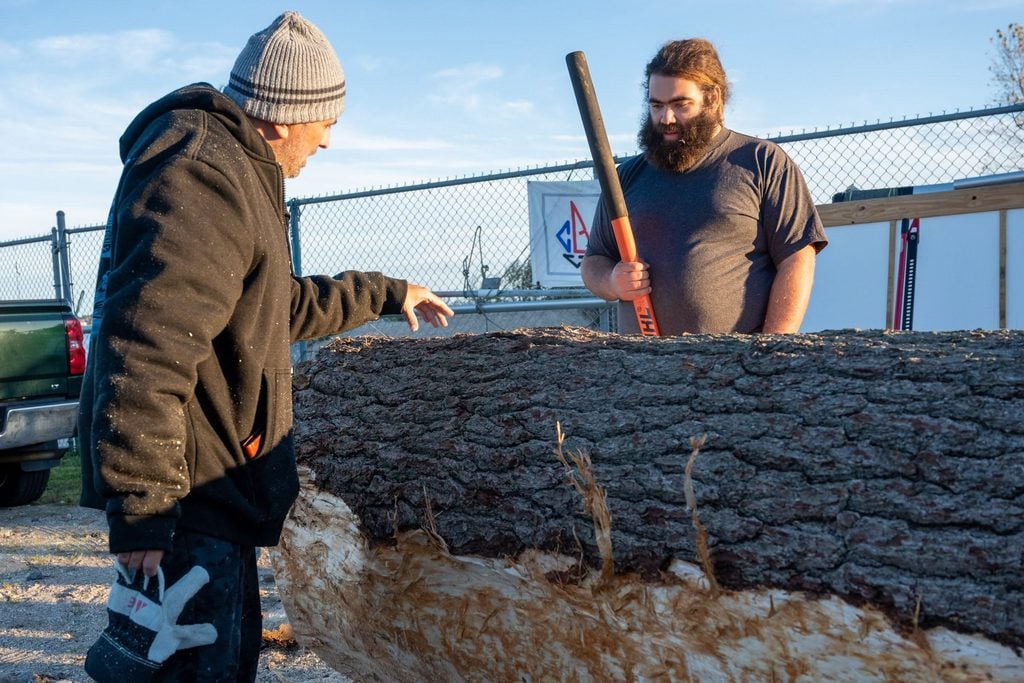
The foundation of the project began in Nipmuc territory, where a majestic, approximately 107-year-old white pine log was harvested with the assistance of the Norcross Wildlife Sanctuary. The massive log traveled from a tree in Ware, Massachusetts, to its new home on the coast, setting the stage for an incredible transformation.
For thousands of years, the Nipmuc and Wampanoag peoples have maintained a deep relationship, sharing resources, food, and trade routes across the region. Collaborating on a project of this scale honors that history, reinforcing the importance of reciprocal relationships and mutual support in the modern era.
Waterways as the Original Highways
For the Wampanoag and other Indigenous peoples of New England, waterways served as the original highways, and mishoons were an essential means of travel, trade, and connection between communities.
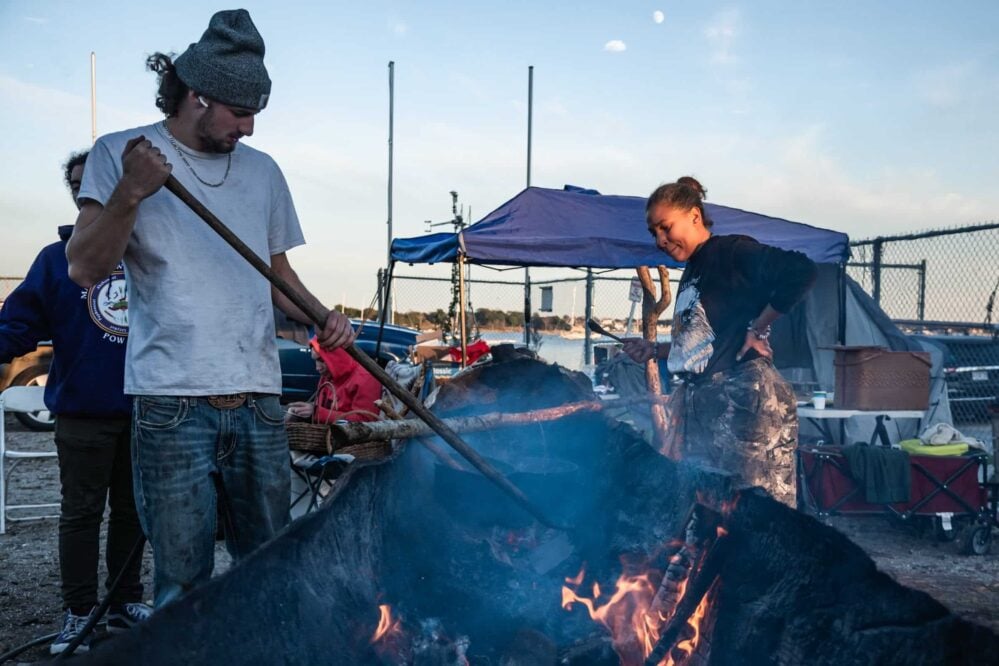
Using the traditional burn-and-scrape method, Hartman Deetz will transform the large log into a functional canoe through a process practiced by Indigenous peoples of the region for generations. Rather than relying on modern power tools to hollow out the vessel, this ancient method utilizes controlled fire to char the interior wood, making it easier to scrape away. It requires immense patience, generational knowledge, and close cooperation—turning the physical creation of the canoe into a living classroom for local history and Indigenous craftsmanship.
Community Engagement and the Road Ahead
The build takes place over several days and is open to the community to observe and learn. Visitors have the unique opportunity to watch the progress unfold on-site, offering a rare window into the intricate connection between traditional watercraft and New England’s waterways. Ultimately, this project offers a profound opportunity for the public to learn about and help carry forward these traditional skills and cultural practices.
As the mishoon takes its final form, this collaboration stands as a testament to the strength of Indigenous resilience and the enduring bonds between neighboring tribal nations.
To stay updated on the progress of the mishoon project or find details on how to view it in person, visit the Community Boating Center or check out their official updates online.