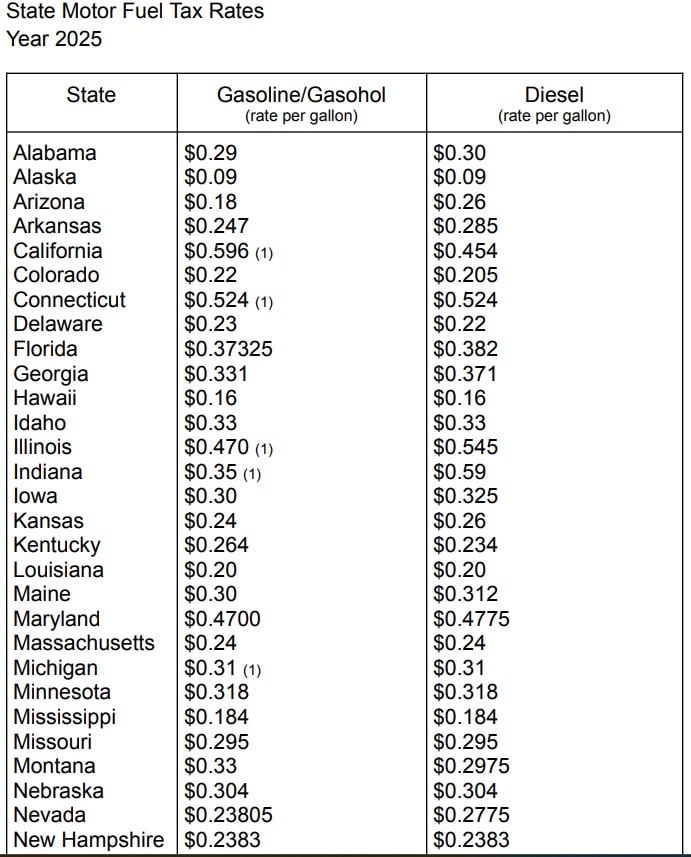

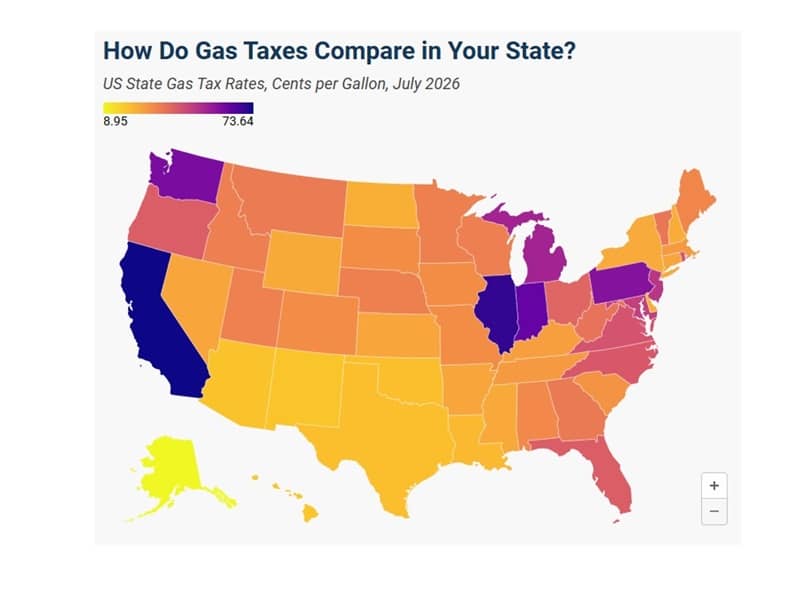

We’re going to do a deep dive on this so buckle up. Suspending a motor fuel tax (commonly called a “gas tax holiday”) offers brief price relief to consumers, but economists and transit advocates widely debate its long-term benefits and fiscal trade-offs. Fun Fact, the state of MA ranks 31st in the country for gas tax.
Pros and Cons: Is It a Good Idea?
Whether a gas tax suspension is beneficial depends on whether the priority is immediate financial relief for drivers or long-term fiscal and environmental policy.
Arguments in Favor (Pros)
- Immediate Financial Relief: Cutting the tax lowers prices directly at the pump, providing immediate budget relief for lower- and middle-income commuters and freight/trucking operators who face elevated fixed costs.
- Inflation Mitigation:Lowering diesel costs reduces shipping expenses for businesses, which can help prevent broader price increases on food, consumer goods, and retail supply chains.
- Macroeconomic Cushion: During severe geopolitical energy shocks, a temporary pause acts as a short-term fiscal cushion to prevent consumer spending from drying up completely.
Arguments Against (Cons)
- Uncertain Price Pass-Through: Oil companies and station owners may absorb a portion of the tax cut to pad margins rather than passing 100% of the savings directly to the driver.
- Depletes Infrastructure Funding: Gas taxes directly fund road maintenance, bridge repairs, and public transit systems. Suspending them creates revenue deficits unless backfilled by other funds.
- Counterproductive Demand Signals: Economists note that lowering tax-inclusive fuel prices encourages continued driving, keeping overall fuel demand high during supply crunches, which can push baseline prices even higher.
- Environmental Conflicts: Environmental and transit groups argue that tax holidays subsidize fossil fuel consumption rather than incentivizing public transportation or electric vehicles.
Is it a Partisan Issue?
No, gas tax holidays cross traditional party lines. While taxes are usually a partisan debate, gas tax holidays are unique: politicians from both major parties frequently support or oppose them depending on regional dynamics, election cycles, and budget priorities.

- Support Across the Aisle: Both Democratic and Republican governors and legislators often push for gas tax suspensions during high-cost spikes to demonstrate responsiveness to voters facing inflation.
- Opposition Across the Aisle: Deficit hawks, highway funding advocates, and environmentalists on both the left and right frequently unite to oppose gas tax suspensions, preferring stable infrastructure funds or targeted relief programs.
Notable Examples Across the U.S.
- Georgia (Republican Administration): Republican Governor Brian Kemp repeatedly suspended Georgia’s state motor fuel tax multiple times between 2022 and 2023 to combat inflation, with broad bipartisan legislative approval.
- Maryland (Bipartisan/Democratic Action): In 2022, Maryland enacted a 30-day emergency gas tax holiday with unanimous bipartisan approval across its Democratic-controlled legislature and signed by then-Republican Governor Larry Hogan.
- Florida (Republican Administration): Florida’s legislature passed a month-long gas tax holiday in late 2022 under Republican Governor Ron DeSantis.
- Federal Level (Democratic Push): President Joe Biden and several Congressional Democrats pushed for a federal gas tax holiday during peak inflation in 2022, though the proposal stalled over concerns from lawmakers in both parties about highway trust fund insolvency.
Context in Massachusetts
Governor Maura Healey’s proposed two-month gas tax holiday aims to suspend the state’s 24-cent-per-gallon motor fuel tax.To address traditional policy criticisms regarding infrastructure funding, the administration’s proposal plans to backfill the estimated $120 million in lost revenue using unbudgeted collections from the state’s Fair Share surtax (millionaire’s tax) to keep highway and transit budgets intact.