

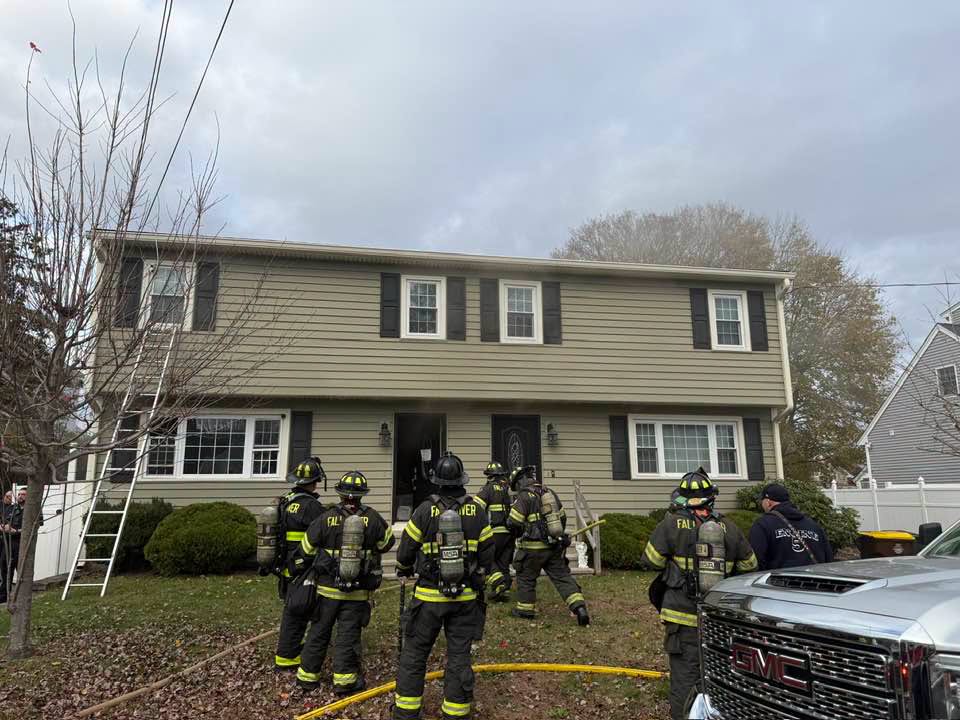
Fall River emergency services faced a severe test of resources during a working structure fire on Anthony Street, managing simultaneous motor vehicle accidents, critical equipment issues, and heavy medical coordination.
According to incident reports from the Fall River Firefighters and updates from City of Fall River Emergency Medical Services, first-due crews arrived at the residential duplex to find heavy smoke pouring from the basement, prompting a working fire declaration.

Critical Equipment Malfunction Complicates Suppression
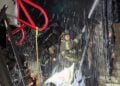
Inside the active fire environment, firefighters from Engine 4 encountered a dangerous mechanical failure when their hose nozzle refused to open, leaving the crew temporarily without water. A backup hose line was immediately deployed to take over suppression, allowing crews to achieve a rapid knockdown and contain the flames to the basement.
Union representatives and crew members noted that this marks the second time these specific nozzles have malfunctioned during active firefighting operations, raising urgent concerns over front-line equipment reliability.
Simultaneous Emergencies Stretch City Resources
As fire crews worked to extinguish the blaze, overhaul hotspots, and assist the Fire Investigation Unit, the city’s emergency medical infrastructure was pushed to its limits.
Standard protocol for a working fire mandates a standby medical dispatch, bringing Fall River EMS Squad 11 and Medic 3 to the scene. The situation escalated rapidly when Medic 3 was needed to transport a patient to a local hospital. With all other local medic units already committed to separate emergencies, MIH Dispatch dispatched Medic 8 from outside the immediate area to maintain standby coverage.
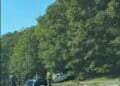
Compounding the strain, Squad 12 and Medic 6 were simultaneously dispatched to handle two separate motor vehicle accidents elsewhere in the city. Those incidents involved multiple patient refusals against medical advice and an additional hospital transport. The overlapping emergencies tied up both shift commanders and stretched department resources exceptionally thin.
Multi-Agency Coordination
Despite the logistical hurdles and equipment challenges, officials praised the seamless inter-agency cooperation. Police units secured the area for traffic control, while EMS crews and firefighters worked side-by-side to ensure public safety.
Responding apparatus on scene included Engines 2, 4, 5, and 9; Ladders 2 and 4; Heavy Rescue 1; and Cars 2 and 3. The cause of the fire remains under active investigation.