


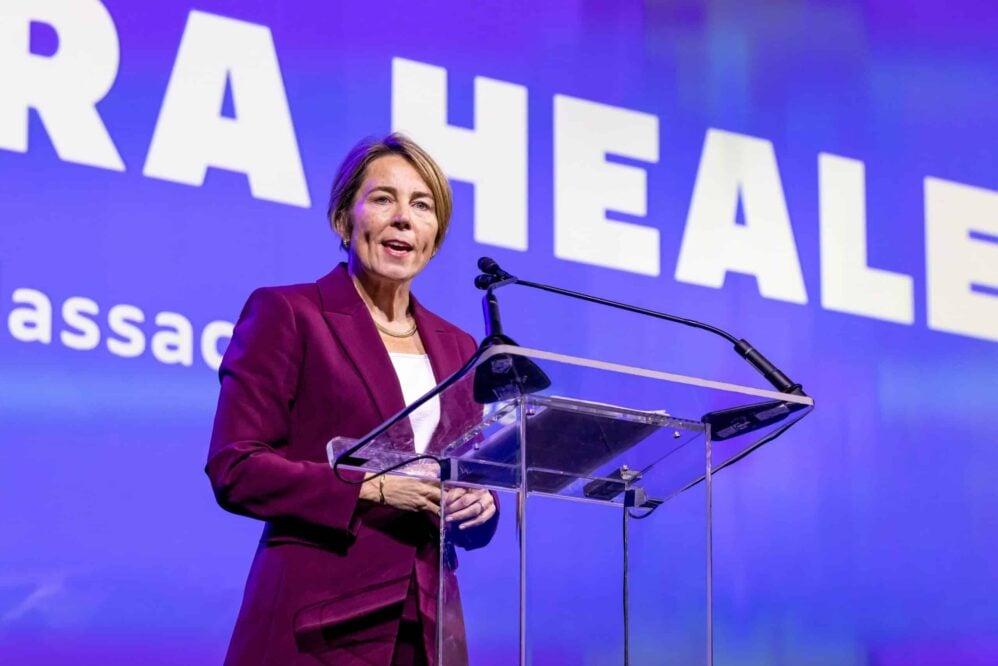
Governor Maura Healey has moved swiftly to bypass opponents of Massachusetts’ landmark reproductive rights legislation, signing an emergency order to bring the new law into immediate effect.
The decision comes on the heels of a successful signature-gathering campaign by anti-abortion advocates and Catholic dioceses aiming to freeze the law and place a repeal referendum on the 2028 ballot. Under the emergency declaration, however, that public halt has been sidestepped, allowing individuals to obtain abortions at any point in pregnancy with a doctor’s signoff while the political battle continues to play out.

Supporters of the measure welcomed the governor’s intervention, pointing to recent instances where families facing heartbreaking pregnancy complications were forced to leave the commonwealth out of pocket to access necessary third-trimester care.
Critics, meanwhile, have condemned the maneuver as an affront to the democratic process. Leaders of the repeal effort argue that invoking emergency powers for a law permitting late-term terminations undermines the rights of voters who mobilized more than 100,000 signatures to challenge the legislation.
While the emergency order ensures that care remains accessible across Massachusetts today, the deeper ideological and legal struggle over the future of reproductive rights in the state is far from settled.