

I’ll save you the trouble of investing too much time into the dreck that Ryan Murphy too often churns out. I can admit there have been some halfway decent shows and series that were entertaining; American Crime Story, some of the seasons of American Horror Story, Pose, Scream Queens, but not much else. Watch at your own peril.
There is a primary, undeniable horror at the heart of the 1892 Fall River, Massachusetts double homicide, and it isn’t just the hatchet wounds. It is the suffocating, claustrophobic reality of a Gilded Age home decaying under the thumb of an immensely wealthy, notoriously miserly patriarch. The mystery of Lizzie Borden—a 32-year-old Sunday school teacher acquitted of hacking her father and stepmother to death—has endured for over a century precisely because of its ambiguities, its icy Victorian silence, and the chilling absence of a definitive guilty verdict.
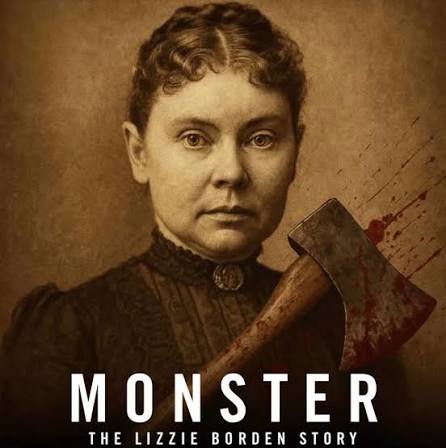
Leave it to Netflix’s Monster: The Lizzie Borden Story to take a masterpiece of historical tension, hurl it into an industrial blender, and pour out a slop of modern revisionism, gratuitous shock-tactics, and utter narrative incompetence.

If you were hoping for a rigorous, atmospheric historical analysis of late 19th-century jurisprudence or female agency in a patriarchal structure, prepare to be insulted. Monster isn’t historical drama; it’s an expensive, blood-drenched fever dream that treats real human history with the respect of a teenager tagging a national monument.
Historical Inaccuracy: Replacing Truth with Shallow Tropes
The fundamental failure of Monster lies in its total refusal to engage with who the real Lizzie Borden actually was. In reality, Borden was a financially frustrated, socially stifled woman in her early thirties—not a de-aged, sanitized “girlboss” martyr crafted to fit a 21st-century revenge fantasy.
The series aggressively bends over backward to manufacture cartoonish justification for every blow of the axe. To achieve this, the showrunners don’t just tweak the timeline—they obliterate it:
- Fabricated Murder sprees: The show presents Lizzie committing a “trial run” murder on neighbor Bertha Manchester alongside the family maid, Bridget “Maggie” Sullivan. In reality, Bertha Manchester was murdered by a Portuguese immigrant named Jose Correa de Mello after the Borden murders took place—a detail the show simply ignores so it can give its lead character an action-movie body count.
- Revisionist Poisonings: A documented real-life detail—Lizzie attempting to buy prussic acid (cyanide) at a local pharmacy—is mutated into a bizarre, slapstick sequence involving poisoned oysters that leaves her parents dramatically vomiting.
- Fan-Fiction Crossovers: In a move of staggering narrative desperation, the series drags in Aileen Wuornos (played by Sarah Paulson) as a time-bending, meta-commentary admirer who frequents the Borden residence decades later. It is a stunt so absurd it strips the show of any remaining thematic weight, reducing historical trauma to a interconnected “true crime universe” gimmick.
                     HISTORICAL TRUTH vs. HOLLYWOOD HYPERBOLE
┌──────────────────────────────┬─────────────────────────────────────────────────┐
│ Real 1892 Case               │ Netflix's 'Monster'                             │
├──────────────────────────────┼─────────────────────────────────────────────────┤
│ 32-year-old spinster         │ Aged-down, neurodivergent antihero       │
│ 19 blows (Abby) / 11 (Andrew)│ Exploitative gore-fest                │
│ Complex, silent house trial  │ Bizarre cross-era killer cameos        │
│ Acquitted due to evidence    │ Preachy, anachronistic girlboss fantasy  │
└──────────────────────────────┴─────────────────────────────────────────────────┘
What the Critics Are Saying: A Critical Execution
The reviews have been mercifully brutal. Critics across the board have called out the show for its tonal whiplash, which swings wildly from somber period piece to campy, blood-soaked absurdity without mastering either.
“An exhausting, messily conceived boondoggle that trades genuine psychological dread for outrageous needle drops and heavy-handed modern sermonizing.”
The consensus highlights a total failure of intent:
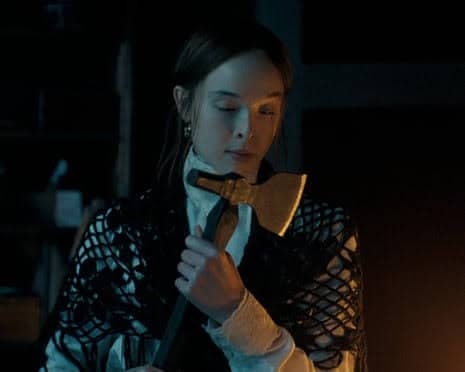
- Hollow Protagonist: Ella Beatty’s Lizzie is routinely criticized as an “inscrutable blank slate,” completely swallowed up by the frantic, over-the-top performances around her.
- Exploitative Sensationalism: Rather than exploring the chilling reality of 1890s domestic confinement, the script opts for cheap shock value—poisoned meals, gratuitous gore, and forced homoerotic subplotting that feels designed for social media clips rather than coherent storytelling.
- Anachronistic Dialogue: Characters spout dialogue that sounds ripped directly from modern internet forums, entirely severing any connection to the Victorian setting.
The Verdict: A Dishonor to History
What makes Monster so truly scathing isn’t just that it’s bad television—it’s that it’s lazy. The real Borden case is already packed with genuine, haunting drama: the missing murder weapon, the burned dress in the stove, the morphia-induced, erratic testimony, and the cold isolation of a woman acquitted by a court but condemned forever by her community.
By throwing out the real history in favor of ridiculous cameos, false murder plots, and cheap gore, Monster proves that its creators had zero faith in the story they were supposedly telling. They took a hatchet to the truth, and the result is a bloody, unwatchable mess.