



Massachusetts will begin restricting the sale of kratom, an addictive and largely unregulated substance, Gov. Maura Healey announced Thursday.
The move is part of a new effort by the Healey administration to curb sales of the substance, which is among a group of products often referred to as “gas station drugs” because of their addictive qualities and prevalence at gas stations, convenience stores and smoke shops.
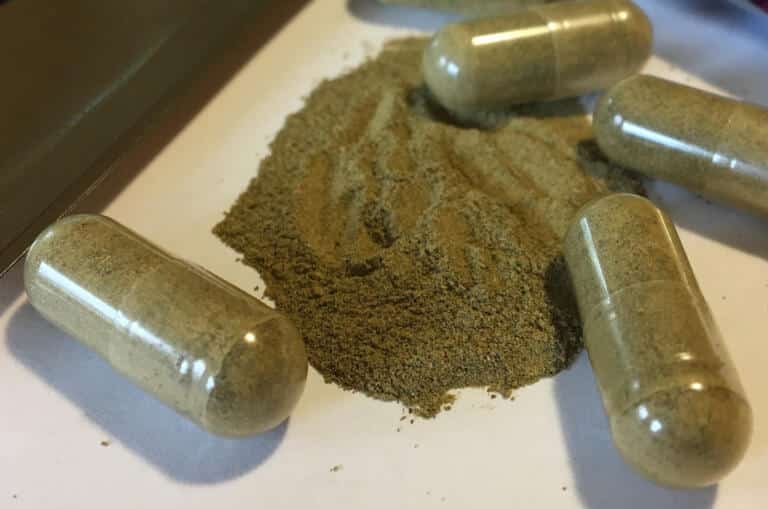
Kratom is a plant-derived substance sold in tablets and powders, as well as dissolvable strips and gummies. The potency of these products can vary, and at high doses, kratom can produce opioid-like effects. The U.S. Food and Drug Administration warns that regular users can become dependent and experience withdrawal. While kratom is not regulated by the FDA, the agency has warned of potential health risks associated with its use.
“Dangerous kratom products are being sold in stores across Massachusetts with little oversight, and people — including children — often have no way of knowing what they’re buying or how potent it is,” Healey said in a press release announcing the move.
As part of the initiative, Department of Public Health Commissioner Dr. Robbie Goldstein issued an emergency order banning the sale of kratom in all forms across Massachusetts. The order will take effect following a 14-day notice period and remain in effect for up to one year.
The Healey administration said the temporary ban will give municipalities time to establish their own rules governing kratom sales.
Eight states currently ban kratom, including neighboring Vermont and Connecticut. Other states have adopted age-based restrictions or have legislation pending.
Estimates of kratom use vary. But a study published this spring by researchers at Mass General Brigham found a significant increase between 2017 and 2024 in hospital visits where kratom was noted in patients’ medical records.
Massachusetts’ approach stands in contrast to that of neighboring Rhode Island, where kratom became legal and regulated for adults 21 and older on April 1, 2026. Rhode Island became the first state to overturn a previous total ban and replace it with a licensed commercial market overseen by the Rhode Island Department of Health.