


Proposed rule, inspired by the deadly Gabriel House fire in Fall River, would make Massachusetts the first state to require building owners to identify and replace recalled sprinkler heads
Massachusetts is moving toward a potentially groundbreaking fire-safety requirement: building owners would be required to identify recalled fire sprinkler heads and replace them before they can pose a danger to residents and occupants.
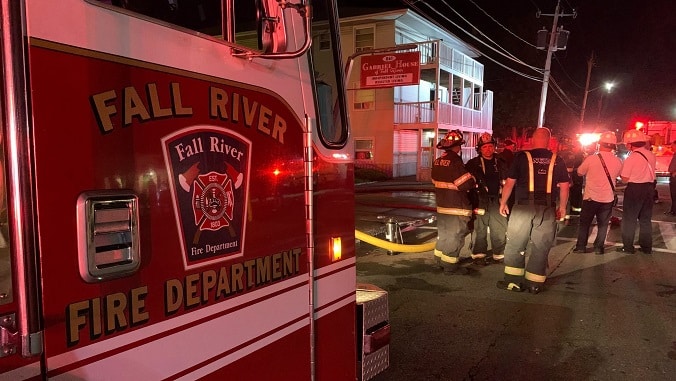
The proposed change comes in the aftermath of the deadly 2025 fire at Gabriel House in Fall River, where investigators discovered recalled sprinkler heads with a history of high failure rates. The finding prompted Fall River Fire Department Capt. Joshua Hetzler to propose a change to the state fire code designed to ensure that recalled sprinkler equipment does not remain hidden in buildings for years.
If adopted, Massachusetts would become the first state in the nation to establish such a requirement.
The Massachusetts Board of Fire Prevention Regulations voted in August to advance the proposal. A final vote is expected in October, with the new requirement potentially taking effect next year.
A new layer of protection
Under the proposed rule, annual inspections of fire sprinkler systems would have to include a check for active manufacturer recalls involving the sprinkler heads installed throughout a building.
That would add an important step to the inspection process. Rather than simply determining whether a sprinkler system is functioning properly, inspectors would also have to determine whether the equipment itself has been identified as defective or subject to a manufacturer recall.
The proposal also addresses a practical problem: what happens when building owners do not have a complete inventory of the sprinkler heads installed in their properties?
In those cases, inspectors would be required to physically examine every sprinkler head to determine whether any are subject to an active recall.
Lessons from the Gabriel House fire
The proposal grew directly out of the investigation into the Gabriel House fire in Fall River, a tragedy that claimed lives in 2025.
Hetzler’s discovery of recalled sprinkler heads at the property raised a critical question for fire officials: How many other buildings could contain sprinkler heads that have been recalled but never identified or replaced?
A recall is only effective if building owners know that affected equipment is installed in their properties and take action to replace it. The proposed Massachusetts rule is intended to close that gap by making recall checks part of the required inspection process.
The measure would shift responsibility from relying on owners to independently track recalls to creating a formal mechanism for identifying recalled equipment during routine fire-safety inspections.
Why sprinkler recalls matter
Fire sprinkler systems are designed to provide an early, potentially life-saving defense against a growing fire. But the presence of a sprinkler system does not necessarily mean every component will work when needed.
A defective or recalled sprinkler head can undermine that protection at precisely the moment it is needed most.
By incorporating recall checks into annual inspections, Massachusetts would create a system in which recalled sprinkler heads are more likely to be identified before an emergency occurs.
The proposed requirement could also establish a model for other states to follow.
What happens next?
The Board of Fire Prevention Regulations has advanced the proposal, but it is not yet law.
A final vote is expected in October 2026. If approved and implemented, the requirement would begin applying next year, making Massachusetts a national leader in addressing recalled fire-sprinkler equipment.
For building owners, property managers and fire-safety professionals, the proposal could mean a new annual responsibility: maintaining an accurate inventory of sprinkler heads and ensuring that recalled equipment is promptly identified and replaced.
For residents and building occupants, the goal is simpler — making sure that when a fire starts, the sprinkler system they are counting on is equipped with components that are safe and reliable.
The lesson from Fall River could ultimately extend far beyond Massachusetts: a fire sprinkler can only protect people if it works when it is needed most.