

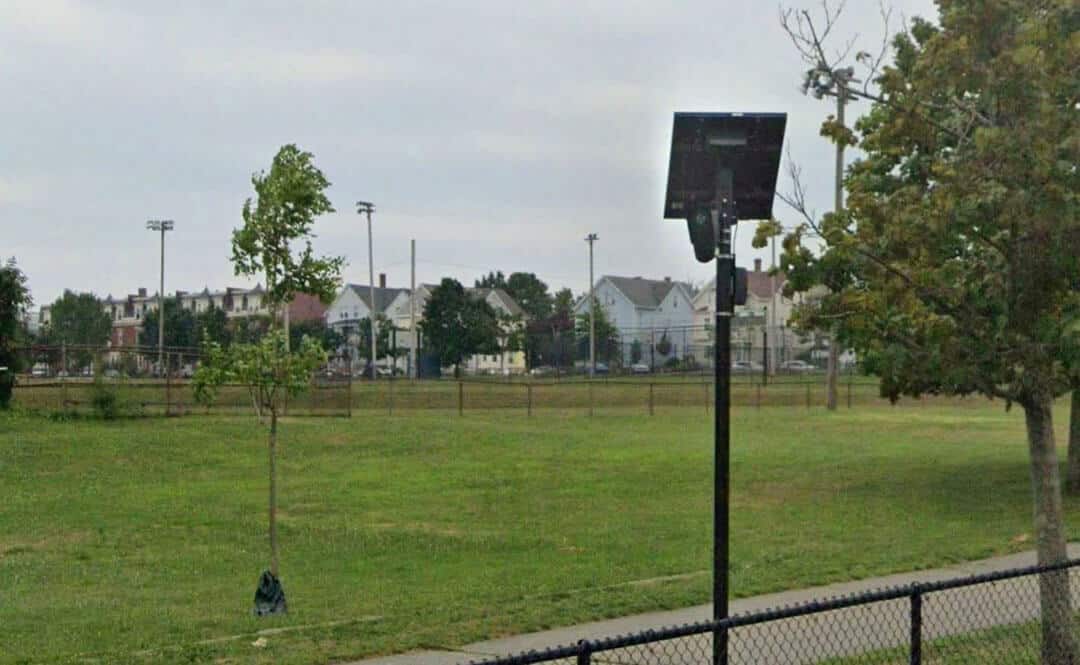

For five years, the Fall River Police Department has used Flock cameras with virtually no public mention.
No press release. No community meeting. No explanation from City Hall. No City Council vote or statements from Councilors. No public discussion about what this technology does, who can access it, or what safeguards are supposed to protect residents.
Compare that to other police technologies. When Fall River adopted ShotSpotter, reconsidered it, and eventually discontinued it, information was public. When the department received body cameras, there were announcements and media coverage.

But Flock cameras, a nationwide automated license plate reader system capable of tracking vehicle movements across jurisdictions, quietly arrived with little to no public conversation.
The City Council should pursue a policy that REQUIRES the kind of public and democratic process that the department has already engaged with in the past. The ACLU of Massachusetts offers a template ordinance.
There is a necessary public conversation to have about surveillance, privacy, public safety, and whether the benefits of this technology outweigh the risks.
The issue is not whether Flock can ever be useful. The issue is that Fall River residents were denied the opportunity to have that conversation before the cameras were installed. For five years, that decision was made without us.
Public safety requires trust. Trust requires transparency.
In a HNNow report, the Police Chief points to policies designed to prevent abuse. But across the country, similar safeguards have failed. People who should not have had access to these systems have accessed them. Data has been used in ways communities were never told to expect. In one case, a Texas police department used data from Illinois to track a woman who had received abortion care, despite Illinois’ restrictions on that data. In California, several police departments discovered their Flock data was accessible to agencies they had explicitly sought to exclude.
The Chief also points to examples of Flock helping solve crimes. Those examples matter, but anecdotes are not a substitute for data justifying this technology and the risks associated.
How is the department measuring the system’s effectiveness? What data is being used to justify contract renewals or future expansions? How often are logs being audited to ensure policies aren’t being broken? What oversight exists to ensure these tools are not misused?
Those are questions Fall River residents should have been able to ask five years ago. These are questions are elected officials should be asking.